

Disruption to Iranian LPG Imports Drives 56% Rise in Pakistan’s Cylinder Prices

WANA (Oct 24) – A days-long disruption to liquefied petroleum gas (LPG) imports from Iran has led to supply shortages and a sharp increase in prices in Pakistan. According to reports, the price of a 12-kilogram LPG cylinder in Pakistan’s Balochistan province has risen from around 4,500 rupees to 7,000 rupees, highlighting the importance of Iranian border routes to energy supplies in western Pakistan.
Although commercial activity has resumed at the Rimdan–Gabd crossing following several days of disruption, trade between the two countries has yet to fully return to its previous level, and LPG imports remain affected.
LPG Prices Rise Amid Disruption to Iranian Supplies
The interruption to part of the cross-border trade between Iran and Pakistan has had a direct impact on Pakistan’s energy market. According to reports, Pakistan imports approximately 7,000 tons of LPG from Iran each day, with more than 4,000 tons entering through the Gabd–Rimdan route.
The disruption has reduced supplies in parts of Pakistan and pushed prices higher. In some areas, the price of a 12-kilogram cylinder has exceeded 7,000 rupees.
The increase from around 4,500 rupees to 7,000 rupees represents a rise of approximately 56 percent. It illustrates how interruptions to energy imports from Iran can affect fuel availability and consumer costs in Pakistan within a short period.
Rimdan–Gabd Crossing Reopens, but Trade Has Yet to Fully Resume
Despite reports describing a complete closure of the Iran–Pakistan border, available information indicates that commercial activity has resumed at the Rimdan–Gabd crossing.
The crossing, an important trade route linking Iran’s Sistan and Baluchestan province with Pakistan’s Balochistan province, reopened on Wednesday evening after several days of disruption. Customs clearance and the movement of some trucks that had been held up subsequently resumed.
Shokri Baloch, head of the Rimdan Free Zone’s separate area, said commercial activity had resumed following consultations with the Pakistani side. He added that the clearance and dispatch of trucks delayed in recent days were underway.
Perishable goods, agricultural products and fresh produce were given priority during the initial stage. Iranian local officials also said talks were continuing to facilitate exports of other goods.
However, based on reports published on Friday, October 23, indicated that LPG imports from Iran had not yet resumed, with hundreds of trucks, including LPG tankers, still affected by the restrictions.
The reopening of the Rimdan–Gabd crossing should therefore be understood as a gradual resumption of trade rather than confirmation that all commercial exchanges have returned to normal. As of Saturday morning, no reliable official report had confirmed a full return to normal operations at the Taftan–Mirjaveh crossing either.
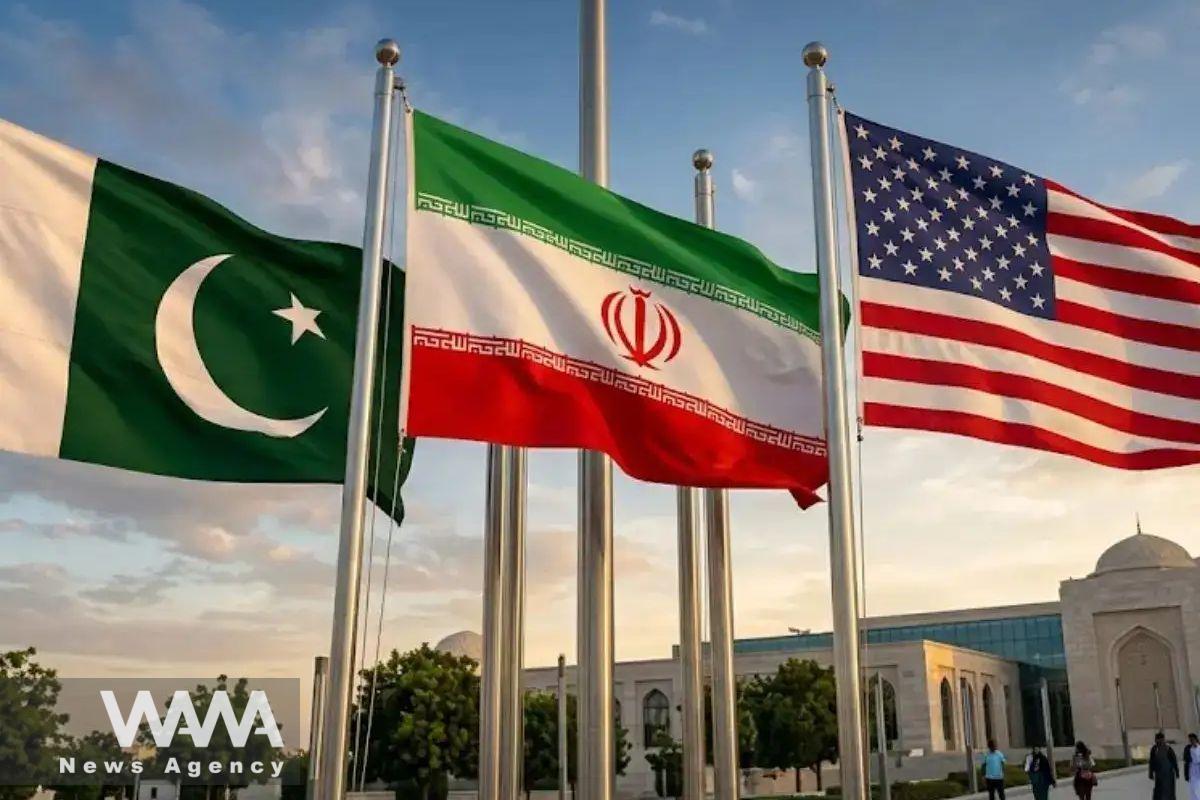
Pakistan in Close Contact with Iran and US, Expects Restraint: Foreign Ministry Spokesman
WANA (Oct 23) – Pakistan is in close contact with Tehran and Washington and expects both sides to exercise restraint, the Pakistani Foreign Ministry spokesman said, stressing his country’s commitment to international norms and the use of diplomacy to resolve disputes, including those related to sanctions. Speaking at his weekly press briefing on Friday, […]
Iran’s Explanation for the Temporary Border Disruption
Iran’s Foreign Ministry had previously emphasized that the disruption to border traffic was temporary.
Foreign Ministry spokesman Esmaeil Baghaei said technical problems and the need to take precautionary measures had led to the temporary suspension of some border movements and exchanges. He added that the relevant authorities in both countries were in contact to resolve the issues, with consultations aimed at restoring normal operations at the crossings as soon as possible.
In this context, discussions between Iranian and Pakistani officials in the Rimdan area led to the reopening of the route and the resumption of some goods movements.
Pakistan’s Position on Border Restrictions
Officials in Pakistan’s Balochistan province had previously cited security concerns, anti-smuggling measures and efforts to organize border procedures as reasons for the temporary trade restrictions.
However, Pakistan’s Foreign Ministry did not provide new details on the operational status of all crossings during its October 23 press briefing. Asked whether the Taftan, Mirjaveh and Gabd–Rimdan crossings were fully open, the ministry’s spokesman said he did not have direct information on the situation on the ground.
As a result, reports claiming that all commercial crossings between Iran and Pakistan have fully reopened cannot be confirmed without further official and verified information.
Economic Impact of the Border Disruption on Pakistan
The increase in LPG prices has been one of the most immediate consequences of the disruption to cross-border trade. According to the information cited in the report, more than 1,000 Pakistani containers carrying goods including potatoes, bananas and rice were also affected by the restrictions, while hundreds of trucks remained stranded on both sides of the border.
The head of Pakistan’s LPG Association has also warned that shortages could worsen and prices could rise further as the winter season approaches.
Pakistan’s reliance on LPG imports from Iran, particularly through the Gabd–Rimdan route, has made disruptions along this corridor a significant factor affecting fuel availability and consumer prices.
However, the duration and extent of the impact will depend on when imports fully resume, how quickly delayed shipments are cleared and whether alternative supply routes remain available.







