

France Cannot Claim Nuclear Deterrence as a Right While Calling Iran’s Peaceful Program a Threat
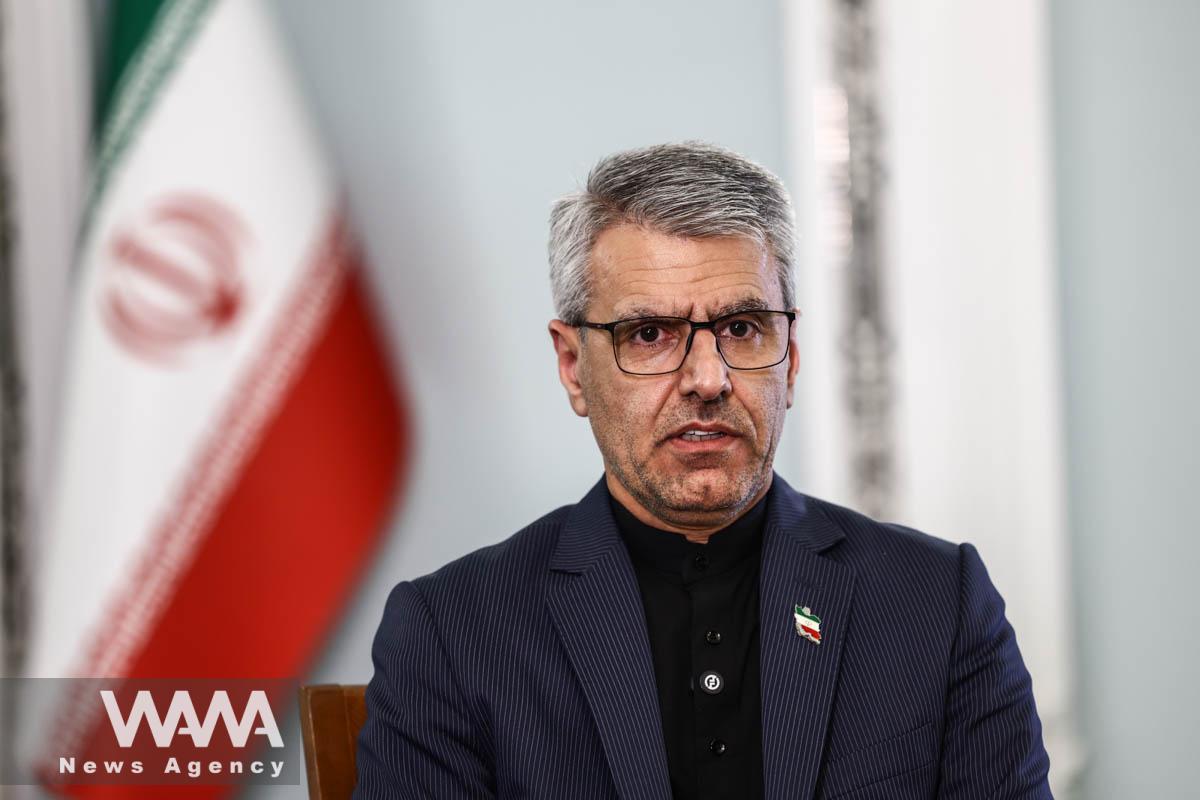
WANA (Oct 09) – Iranian Foreign Ministry spokesman Esmail Baghaei has criticized France’s nuclear deterrence policy, saying Paris considers nuclear weapons a source of power and freedom for itself while portraying even peaceful nuclear activities by other countries as a threat.
Baghaei made the remarks in response to French President Emmanuel Macron’s comments on the need to be “fearsome” and “powerful” as prerequisites for being “free,” as well as France’s testing of a ballistic missile capable of carrying a nuclear warhead.
Baghaei Questions France’s Nuclear Double Standard
Baghaei said Macron had made the remarks while France was testing a ballistic missile capable of carrying a nuclear warhead, arguing that the French president’s position was that being free required being fearsome and being fearsome required being powerful.
At the same time, Baghaei noted that Macron had said Iran should never possess nuclear weapons, whether today, five years from now or 10 years from now.
Baghaei said the issue is not why France maintained nuclear deterrence, but why the same logic that is considered a guarantee of security and freedom for France is suddenly described as a threat when applied to Iran, even when discussing a peaceful nuclear program under international monitoring.
He said the reality is that the issue was not about seeking peace for everyone, but about maintaining a monopoly over being “fearsome” and the legitimacy of intimidating others.
Baghaei added that nuclear powers wanted to remain powerful, nuclear-armed and “fearsome” themselves while restricting other countries — including those seeking only peaceful nuclear energy — through what he described as a false image of a “nuclear threat.”
Baghaei Criticizes Nuclear-Based Power Structure
The Foreign Ministry spokesman said that a peace in which nuclear powers regard their own weapons as guarantees of freedom and security while describing the same logic as a threat when applied to others is not peace, but a monopoly on power based on a sense of superiority.
He said an international order that does not recognize security and peace as rights belonging to all countries is, rather than preserving peace, encouraging the dominance of a particular group.







