Ghalibaf: Strait of Hormuz Will Remain Closed Until Iran’s Seven Conditions Are Met

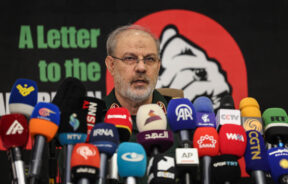
WANA (Oct 04) – Iran’s Parliament Speaker Mohammad Bagher Ghalibaf said the Strait of Hormuz will remain closed until Tehran’s seven conditions under the Islamabad memorandum are met, stressing that Iran will pursue diplomacy while maintaining military readiness in its dealings with the United States.
Speaking in parliament, Ghalibaf said the United States had recently conveyed proposals through intermediaries, but warned that the era of delaying tactics and imposing unilateral demands was over. He described Iran’s position on the reopening of the Strait of Hormuz as “clear and firm.”
Ghalibaf said Iran does not shape its national strategy and security policy around the daily posts or statements of U.S. officials, adding that Tehran bases its decisions on Washington’s actual actions rather than its media rhetoric.
He also described what he called Washington’s conflicting messages about negotiations, military confrontation and mediation as part of a “cognitive war,” saying the purpose was to create confusion inside Iran and influence its strategic calculations.
The parliament speaker stressed that Iran would neither abandon negotiations nor reduce its military preparedness. “We will both fight and negotiate,” he said, adding that Tehran would use diplomacy alongside its military capabilities to strengthen its position and pursue Iran’s rights.
Ghalibaf also warned that Iran would confront its adversaries with “new surprises” on the military front, arguing that readiness for war is an important source of leverage at the negotiating table.
He further said the United States had continued economic pressure and military and security measures against Iran while also increasing its military threats, even as it conveyed proposals through intermediaries.
For international audiences, the key points of Ghalibaf’s remarks are the link between the reopening of the Strait of Hormuz and Iran’s seven conditions under the Islamabad memorandum, the existence of indirect U.S. proposals, and Tehran’s stated policy of pursuing negotiations while maintaining military readiness.