Iran at a Crossroads: A New Regional Order or War?

WANA (Sep 13) – In recent days, a number of highly significant developments—some seemingly disparate but nonetheless interconnected—have unfolded across the region in relation to Iran. Despite their differences, these developments function as interconnected links in a chain through their mutual impact, with some working in Iran’s favor and others against it.
On one hand, there has been a deepening of Israeli influence and control in southern Lebanon, new developments surrounding the strategic Ali Taher Hill, the renewed referral of Iran’s nuclear file to the UN Security Council, and the closure of several land border crossings between Iraq and Iran.
On the other hand, Yemen’s Ansarullah has established full control over the strategic Bab el-Mandeb waterway, oil prices have risen, Saudi Arabia’s strategic oil pipelines have come under attack, attacks on ships in the Strait of Hormuz have intensified, and, finally, the upcoming joint meeting between Iran, Iraq and the six neighboring countries along the Persian Gulf, which is scheduled to be held in Muscat.

A woman walks on a street in Tehran, Iran, September 2, 2026. Majid Asgaripour/WANA (West Asia News Agency)
These developments constitute the main elements of the current escalation between Iran and the United States, each of which warrants separate and detailed analysis. In broad terms, however, their overall trajectory appears to point to one of two scenarios: either an agreement similar to the recent understanding, which would strengthen and enhance Iran’s geopolitical and regional position, or a military confrontation far more intense than those seen in the past.
The first scenario is being considered in these terms because, based on the current understanding of the situation, it appears unlikely that the Iranian government would agree to anything less than the terms of the previous memorandum of understanding.
In particular, following Ansarullah’s control of the Bab el-Mandeb Strait and the attacks on Saudi oil pipelines—which had effectively served as an alternative route for bypassing the Strait of Hormuz—even if Iran does not raise the ceiling of its demands and bargaining power in any potential negotiations, it is unlikely to lower them for the time being.
At the same time, the heavy costs that such an agreement could impose on the present and future interests of the United States, Israel and the Western world as a whole in the Middle East could constitute a major obstacle to reaching it. Such an agreement would effectively signal a decline in Washington’s hard and soft power in the region and the beginning of a new order in the Middle East.

Latest Status of Iran-U.S. Talks
WANA (Sep 12) – Despite media reports and speculation about a possible resumption of Iran-U.S. negotiations, the current situation can be assessed through four main points: 1. No talks or exchange of messages between Iran and the United States Contrary to some Western media reports about efforts to resume negotiations, there are currently no […]
Under these circumstances, the traditional model of managing tensions through a state of “neither war nor peace” no longer appears effective. The pace of developments, along with their potentially severe consequences, is too rapid, compelling the parties to make a decisive choice about the current situation within the next four months.
On the one hand, given Iran’s complex and multilayered economic crises and their potential consequences, it seems unlikely that Tehran would want to—or be able to—accept the current blockade without taking practical action.
On the other hand, the opposing side may believe that continuing to wait for social stability in Iran to erode under the pressure of the blockade and an all-out economic war could ultimately come at the cost of consolidating Iran’s influence and position in Bab el-Mandeb and elsewhere.
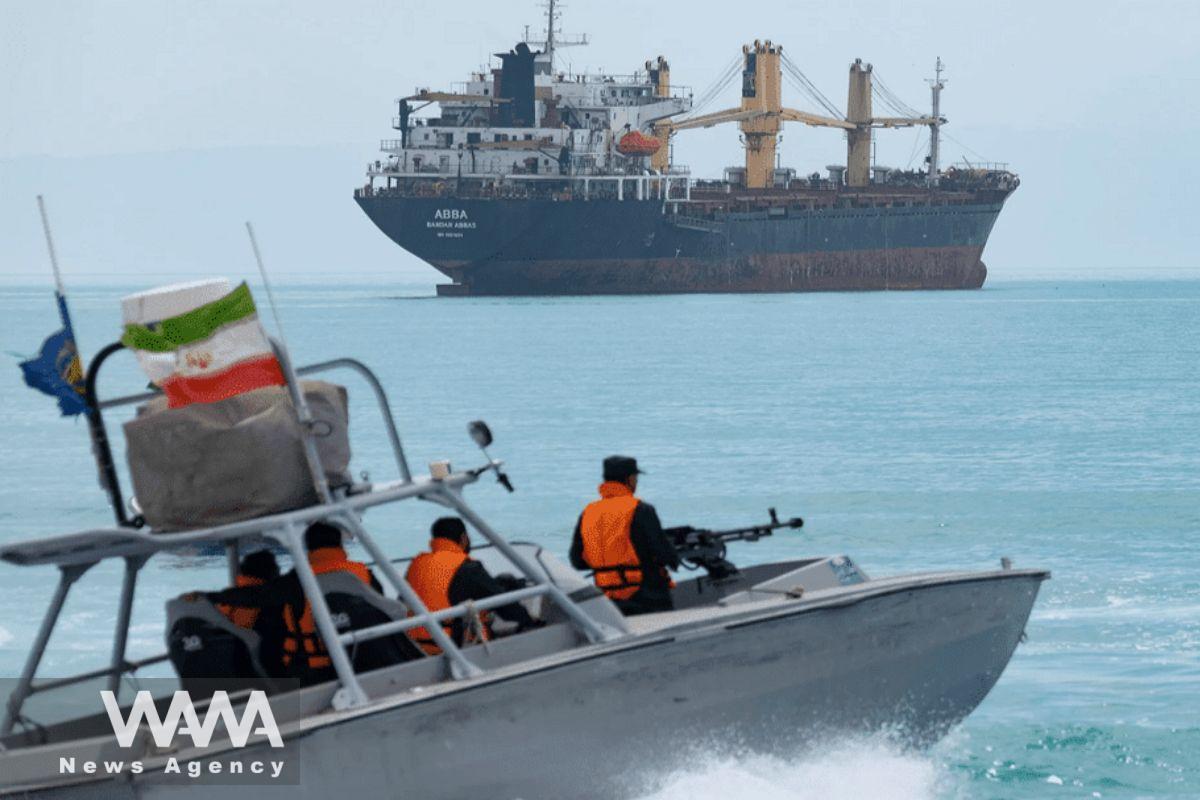
New Details on Iran-Oman Understanding Over Strait of Hormuz
WANA (Sep 12) – The understanding between Iran and Oman over arrangements for the Strait of Hormuz has entered a new phase, with new details indicating that, following a transition period, the southern and northern routes will be taken out of service and the central corridor will become the main route for maritime traffic. […]
In addition, rising global oil prices driven by increased demand from China, insecurity in the Strait of Hormuz, and risks facing alternative routes—such as Saudi and Emirati oil pipelines—could further intensify the pressure.
The combination of these variables is likely to push both sides to take further practical steps in the coming days and weeks to force the other to retreat before reaching either an explosive breaking point or an agreement. Such moves would inevitably deepen the escalation.
Against this backdrop, the weeks ahead of the Israeli elections, followed by the weeks after the U.S. elections, are likely to constitute an exceptionally sensitive and decisive period.