Iran Condemns U.S. Economic Sanctions as “Colonial Pressure” at UN Human Rights Council
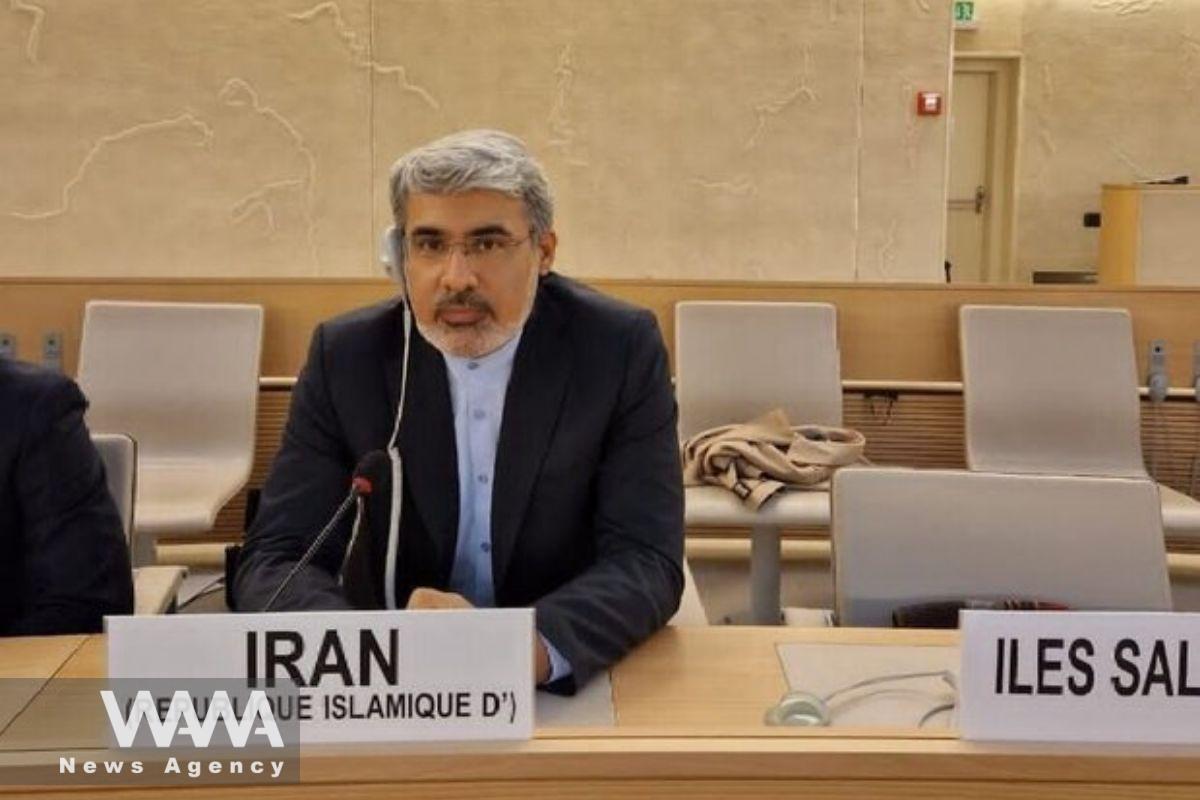
WANA (Sep 09) – Iran’s Permanent Representative to the United Nations in Geneva has warned against the humanitarian consequences of unilateral coercive measures, emphasizing that sanctions erode fundamental human rights and that the right to life must not be used as a bargaining chip by major powers.
Speaking on Wednesday during an interactive dialogue with the UN Special Rapporteur on the negative impact of unilateral coercive measures at the Human Rights Council, Ali Bahreini stated that no political goal can justify economic pressure on an entire nation or conditioning its basic rights on submission to foreign demands.
Bahreini highlighted the concurrence of illegal military aggressions against Iran, the declaration of an “economic war,” and the implementation of what U.S. officials have described as the “strongest sanctions in history.” He added that Washington has threatened Iran’s economic partners and maintained a maritime blockade.
“These measures cannot be assessed in isolation, as they are all part of a broader strategy aimed at undermining an independent and resilient nation,” the Iranian ambassador said.
Citing assessments by UN experts, Bahreini characterized unilateral coercive measures as a tool of colonial pressure that subverts the sovereign equality of states and the right to self-determination. He stressed that by inflicting severe human costs, such sanctions can never serve as a legitimate tool for political objectives.
“The right to life is not a bargaining chip, and the right of nations to self-determination is not a privilege that major powers can grant or revoke. Both must be respected without exception,” Bahreini emphasized.
Concluding the interactive dialogue, UN Special Rapporteur Zeina Jallad expressed deep concern over the global escalation of unilateral sanctions “from Cuba to Iran and beyond.” She called for collective action to address the humanitarian costs of these measures and urged international cooperation to mitigate their adverse impact on human rights worldwide.