

Latest Updates on Iran-US Talks: War or Peace?
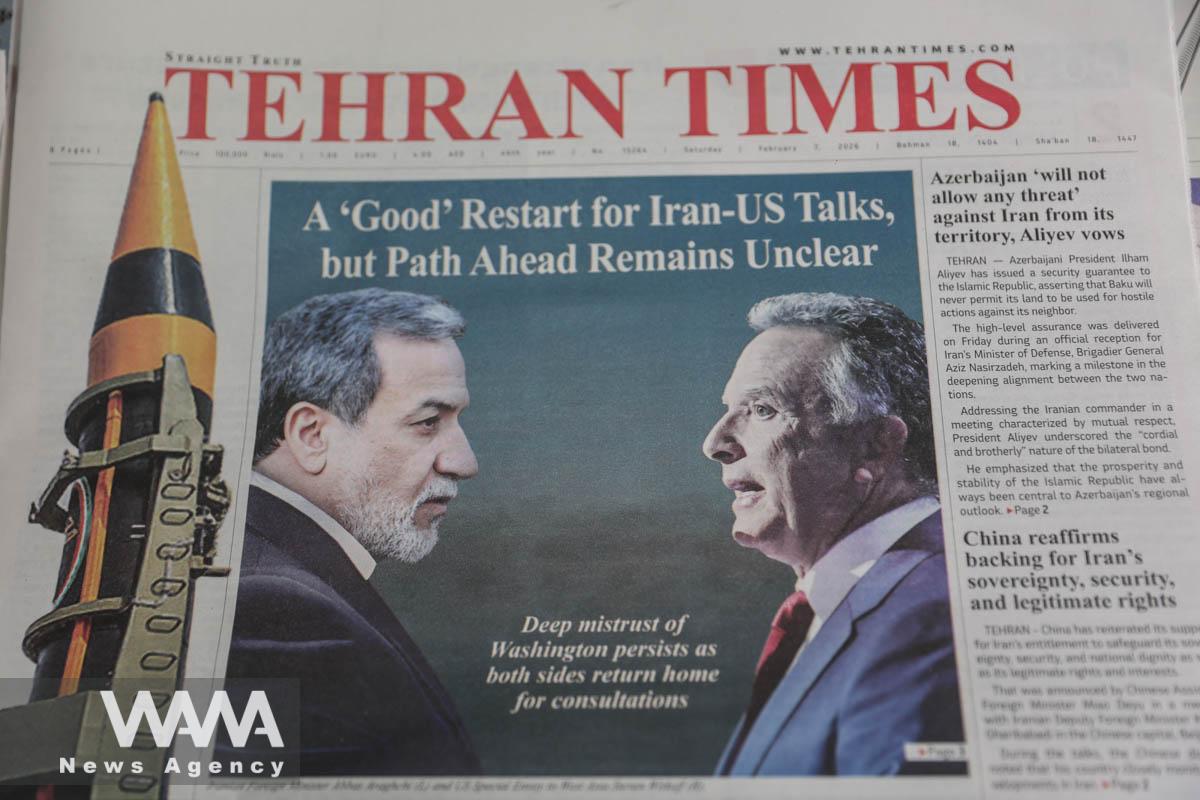
WANA (Sep 23) – As the UN General Assembly gets underway in New York, mounting political pressure and increased U.S. military activity in the region have once again put the future of Iran-U.S. relations at the center of attention. On one side are diplomatic messages and mediation efforts aimed at conveying the two sides’ positions; on the other are military deployments and mutual warnings that have raised concerns about a possible new escalation.
While U.S. President Donald Trump has spoken of progress and continued contacts with Iran, Tehran maintains that what has been conveyed through intermediaries does not constitute the start of a new round of negotiations. Instead, Iran says it has communicated its conditions for ending the war and changing the current situation. Reports have meanwhile pointed to indirect contacts between the two sides on the sidelines of the UN General Assembly.

One-Line Summary of the U.S. President’s UN Speech: Trump Caught Up in the War with Iran
WANA (Sep 22) – Donald Trump’s speech at the 81st session of the United Nations General Assembly focused more than anything else on the war with Iran and on defending Washington’s decision to enter the conflict. A significant portion of the U.S. president’s remarks was devoted to explaining the reasons for launching the war, Washington’s […]
Latest on the Talks
1. Despite Trump’s statements, Iran has not confirmed the start of new negotiations. Tehran says it has conveyed its conditions to the U.S. through intermediaries and stresses that this should not be interpreted as the beginning of a new conventional negotiating process.
2. Iran has seven formal conditions for changing the current situation and reopening the Strait of Hormuz, and those conditions have been conveyed to the United States through intermediaries. The Strait of Hormuz has emerged as one of the main issues at the center of diplomatic contacts.
3. Messages conveyed to the mediators made clear that Iran is not engaged in direct negotiations and has only communicated its positions and conditions to the other parties. U.S. officials, meanwhile, have spoken of continued indirect contacts and efforts to narrow differences between the two sides.

Baghaei: Interaction with US Side Took Place Through Qatari Mediator
WANA (Sep 23) – Iranian Foreign Ministry spokesman Esmaeil Baghaei said the interaction with the US side in New York took place through a Qatari mediator. Speaking about reports of Iran-US negotiations in New York, Baghaei said the interaction was aimed at conveying Iran’s conditions, including an end to the war on all fronts, […]
4. Iran’s conditions include the release of frozen assets, an end to the war on all fronts, and the lifting of the blockade, along with other economic and political demands. Tehran also considers an end to military pressure and changes to the current situation around the Strait of Hormuz necessary for any movement toward an agreement.
5. All diplomatic actions are being carried out with authorization from the highest levels, but reaching a concrete result in the near term remains highly uncertain. The main disagreements concern the sequence of steps, the lifting of the blockade, the halt of military pressure, and the terms for ending the war.
U.S. Military Moves Toward a Possible New War with Iran
1. U.S. air activity in the region has increased, while reports have emerged about preparations for various military scenarios.
2. The United States is seeking an operational opportunity to strike Iran. At the same time, Iranian officials have warned against any new military action and said that such a move would be met with a response.

People drive past a billboard about the Strait of Hormuz, on a building in Tehran, Iran, September 16, 2026. Majid Asgaripour/WANA (West Asia News Agency)
3. There are also differences within the U.S. political and security establishment over the military option, with some voices warning against rushed decision-making and the consequences of a wider war.
4. U.S. ground activity has also increased in areas surrounding Iran, with Tehran viewing the broader moves as part of Washington’s military and political pressure campaign.
5. Iran has said it is prepared to respond to any act of aggression. At the same time, Tehran’s official messaging indicates that the diplomatic channel has not been completely closed, but that any progress will depend on changes in the situation on the ground and the other side’s acceptance of Iran’s conditions.
Overall, the current situation cannot be reduced simply to a choice between “talks or war.” On one side, mediation channels remain active, with issues such as ending the war and reopening the Strait of Hormuz under discussion. On the other, growing military pressure and major disagreements over the initial conditions continue to keep the risk of escalation alive.
The key question now is whether the messages being exchanged through intermediaries can lead to concrete steps and an agreement, or whether developments on the ground will once again push the situation toward military confrontation.







