

Shift in Reporting Pattern Points to Change in Iran’s Hormuz Tactics
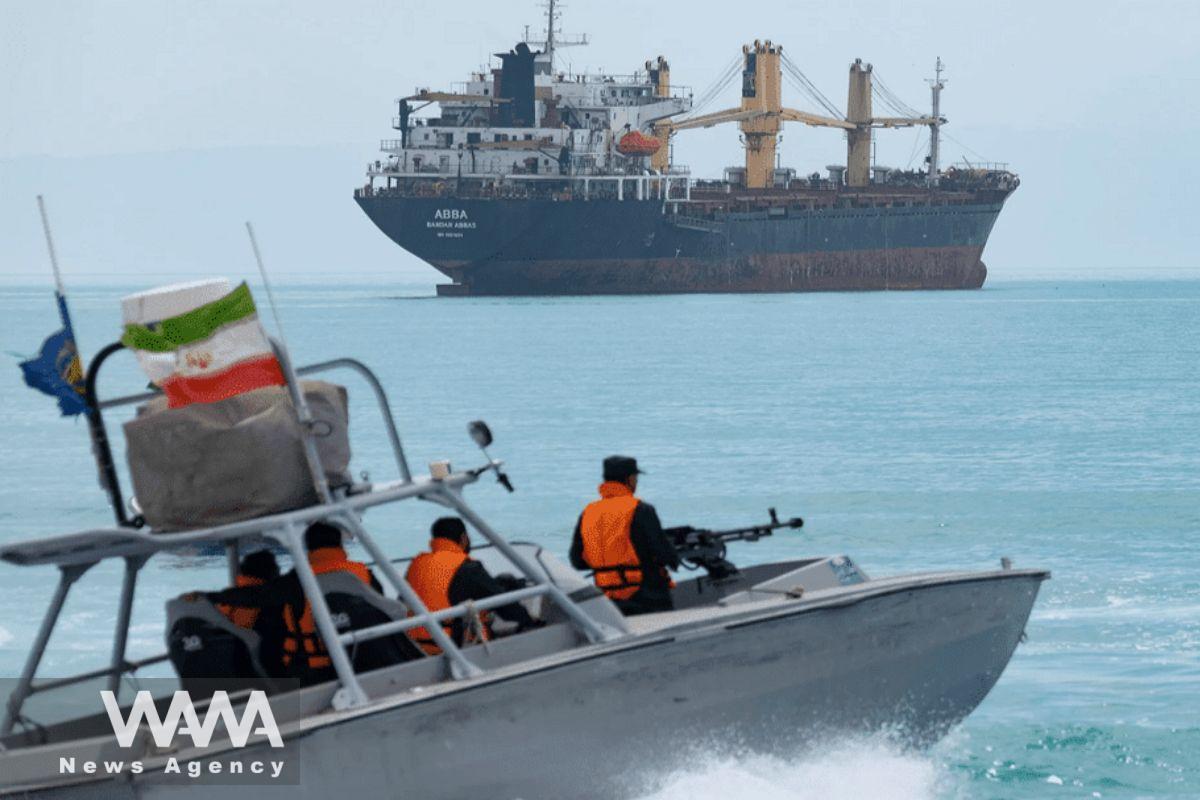
WANA (Oct 09) – A change in the pattern of reporting on ships targeted by the United States and Britain indicates that Iran’s tactics in the Strait of Hormuz have changed and gone beyond previous levels, to the point that publicly reporting the strikes carries serious consequences for them.
The UK Maritime Trade Operations (UKMTO) says that at least 15 tankers have been targeted between September 28 and October 8.
Hours ago, UKMTO released a report on a strike that occurred two days earlier in the Strait of Hormuz. Bert Erikson, an analyst specializing in transportation and energy security, said this was a pattern seen in more than half of the reports published over the past two weeks.
Erikson said Iran was targeting vessels with such high speed and intensity that it appeared the United States and the UK Maritime Trade Operations Center had been forced to delay the release of reports on attacks against ships, because the high number of vessels targeted within such a short period carried very serious media and operational consequences.
According to Erikson, it was also important to note that a vessel targeted yesterday in the depths of the Gulf of Oman was only a few miles from a ship-to-ship transfer location, which is absolutely critical to keeping the Omani route project operational.
Erikson explained that Iran was targeting vessels so rapidly that even tracking the attacks had become difficult. At the same time, he said, the scope of the attacks was expanding. Yesterday, Iran targeted vessels both in the Gulf of Oman and near the coast of Qatar in the Persian Gulf.









