

Trump Signs Russia-Iran Sanctions Act Into Law
WANA (Sep 18) – While the U.S. government has repeatedly used sanctions against Iran and Russia over the past several decades without achieving its stated objectives, Washington has once again resorted to the policy.
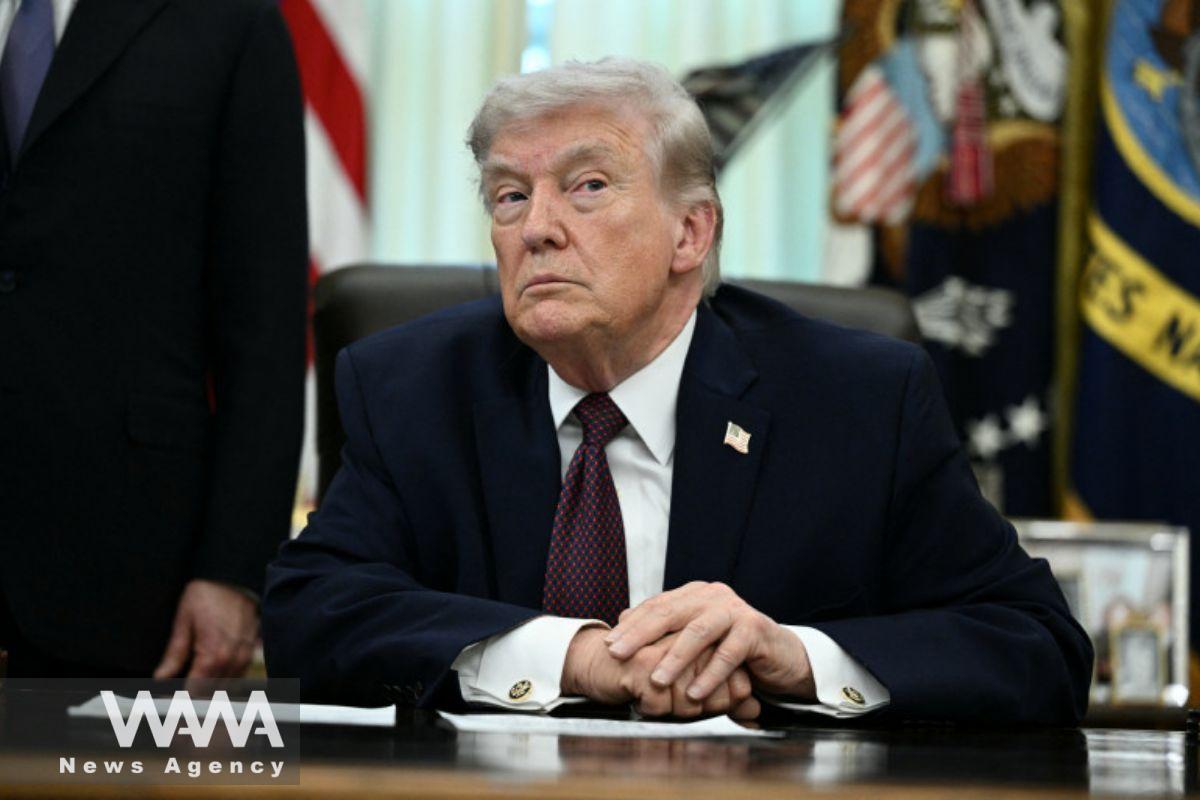
U.S. President Donald Trump has signed the “Lindsey Graham Sanctioning Russia and Iran Act of 2026” into law. The legislation, which was approved by both chambers of the U.S. Congress, gives the U.S. government broad authority to impose new sanctions on Russia while continuing sanctions pressure on Iran.
The U.S. House of Representatives approved the bill on September 16 by a vote of 262 to 159. The legislation had previously passed the Senate on August 7 by 86 votes to 11. After both chambers approved it, it went to the White House for the president’s signature.
The law, named after U.S. Senator Lindsey Graham, includes a package of primary and secondary sanctions against Russia and individuals and entities that assist Moscow in continuing the war in Ukraine.
According to BBC English, the legislation targets Russian officials and authorities, oligarchs and their family members, Russian banks and financial institutions, and the so-called “shadow fleet” used to circumvent oil sanctions.
One of the law’s key provisions gives the U.S. president the authority to impose tariffs of up to 100% on goods from countries that are among the five largest buyers of Russian oil and gas, or that assist Moscow in circumventing energy sanctions.
The provision could expose countries that continue to obtain a significant share of their energy supplies from Russia to economic pressure from the United States.
According to reports, the law exempts certain countries. Under its provisions, countries whose imports of Russian natural gas account for less than 15% of Russia’s total gas exports, and that take significant steps to reduce their dependence on Russian energy, may qualify for certain exemptions.
Another section of the law directly concerns Iran. Under the congressional legislation, the Iran Sanctions Act will be extended for another five years, maintaining U.S. legal authorities to impose restrictions on Iran’s energy and arms sectors.
It was reported that the legislation was passed as the Trump administration had faced increasing pressure in Congress in recent months over how to deal with Russia and the war in Ukraine.
The new law gives the Trump administration additional tools to exert economic pressure on Moscow and countries doing business with it, although the extent to which the administration uses these authorities and how they are implemented will depend on subsequent decisions by the White House.
The legislation could also affect Russia’s energy trade with countries such as China and India, which are major buyers of Russian oil. If the proposed tariffs are imposed, their trade with the United States could be affected.
However, the authority to impose tariffs of up to 100% is a power granted to the U.S. president and does not mean that such tariffs will automatically be imposed on all buyers of Russian oil.







