
Iran and China Quietly Boost Gold Reserves Amid Dollar Decline
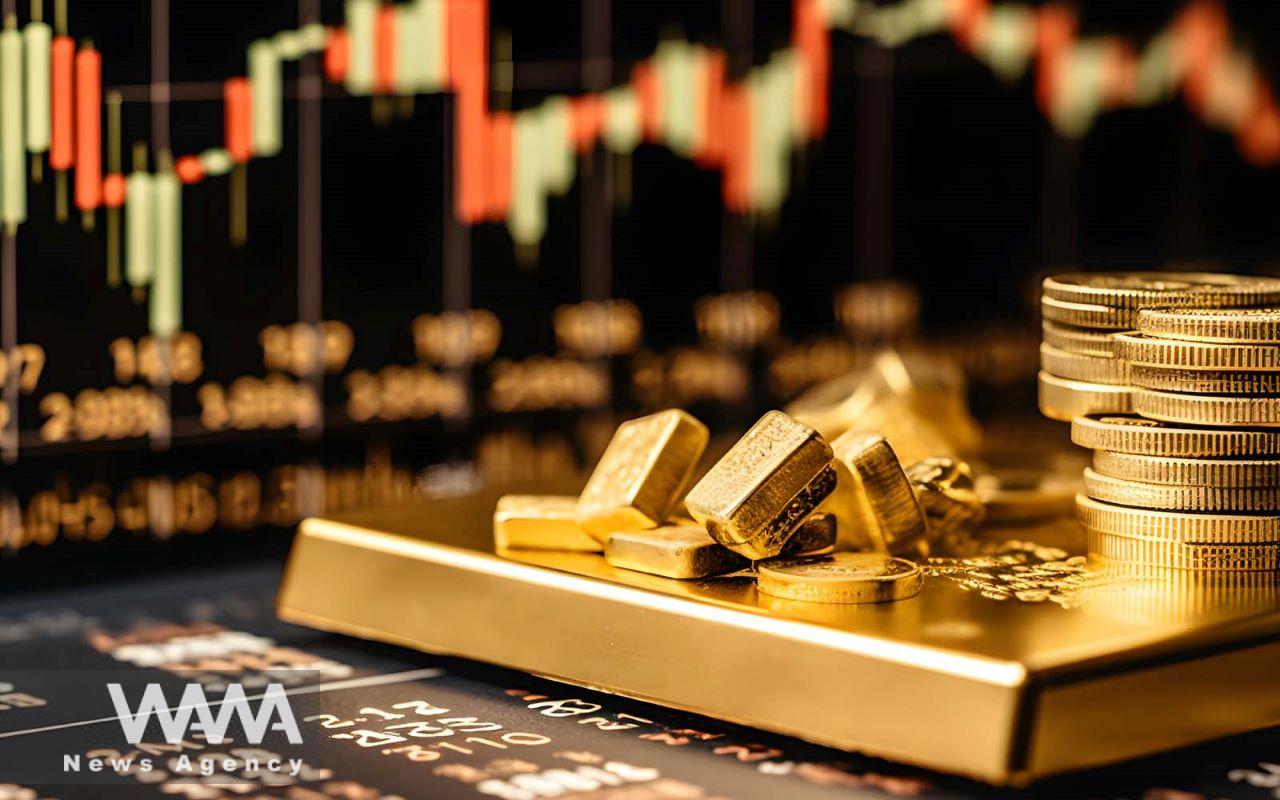
WANA (Jul 24) – Amid intensifying geopolitical shifts, currency wars, and the gradual erosion of global trust in the U.S. dollar, two nations—Iran and China—have quietly turned to gold accumulation without making formal declarations.
While China discreetly purchases gold through the London market, Iran is pursuing a localized strategy to strengthen its gold reserves. Both nations, members of BRICS—and one under the most severe financial sanctions in modern history—have converged on the same conclusion: in an era of instability, gold is the last stronghold of financial independence and economic security.
Two Approaches, One Strategy: Gold as a Geopolitical Shield
China, through covert purchases from the London OTC market, and Iran, through domestic mining and non-dollar imports, are executing different versions of a shared strategic doctrine: turning gold into a geopolitical shield and a tool of economic independence in the face of sanctions and uncertainty.
China: The Silent Mega-Buyer With a Geopolitical Mission
For years, China has pursued a long-term strategy to reduce reliance on the U.S. dollar and to internationalize the yuan. One key pillar of this strategy is the large-scale and concealed accumulation of gold. According to Goldman Sachs, China purchased roughly 15 tons of gold in May 2025 alone—eight times higher than its officially reported figure.
These purchases, carried out via the London OTC market, are difficult to trace due to the market’s low transparency. China leverages this characteristic to implement its “constructive ambiguity” strategy.

Beijing’s goals extend far beyond mere accumulation. It seeks to offer an unofficial backing for the yuan in global transactions, enable gold-based oil settlements, and reduce the dollar-related risks tied to U.S. Treasury holdings.
Through gold, China also signals to BRICS members its readiness to serve as a monetary anchor within non-Western alliances.
Iran: Buying Gold Under Economic Siege
In recent years, Iran has successfully increased its gold reserves through unconventional and strategic methods—staying under the radar of sanctioning entities.
From importing gold bars via the UAE and Venezuela to monetizing gold through the commodity exchange using gold investment funds and certificate bonds, Iran has not only advanced its accumulation but also helped stabilize its domestic market.
Official data indicate that Iran’s gold imports exceeded 10 tons in the first quarter of this year.
Simultaneously, Iran has activated key domestic mines such as Zarshouran, Sari Gunay, and Mouteh, transforming the country into not just an importer but also a gold producer. In a context of currency restrictions, this domestic production has become a strategic pillar, allowing the Central Bank to manage the currency and gold markets without relying on the dollar.
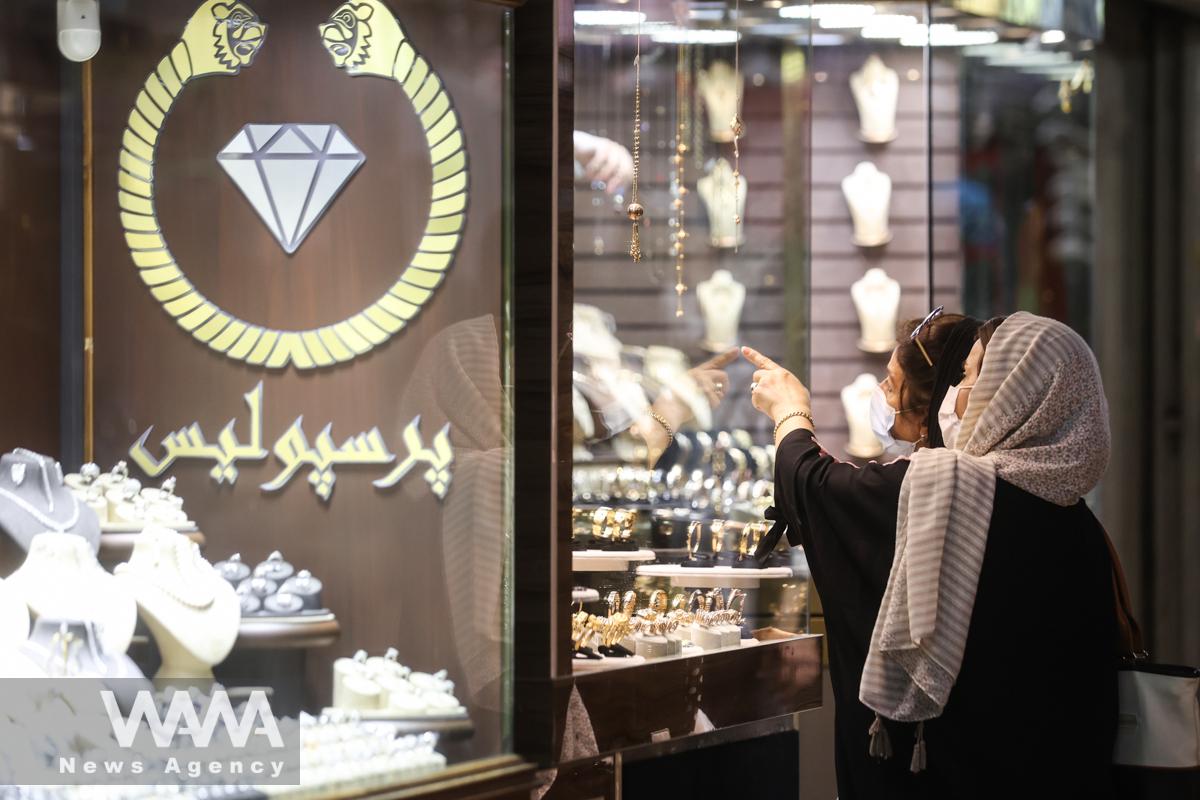
Iranians look at the window of a gold shop in Tehran Bazaar, Iran, August 16, 2022. Majid Asgaripour/WANA (West Asia News Agency)
Commonalities in Iran and China’s Gold Strategy
Experts point out that Iran and China’s approach to gold is shaped by shared objectives:
Strategic Ambiguity: Neither country discloses full details of its gold reserves. Secrecy is a deliberate part of their economic security doctrine.
Non-Traditional Use of Gold: Unlike Western countries that treat gold purely as a reserve asset, Iran and China utilize gold to influence monetary policy, control internal markets, and even regulate foreign relations.
Alternative Payment Systems: China, through its CIPS system, and Iran, via rial-based infrastructure and barter trade, view gold as part of an alternative international settlement mechanism.
Differences: China Structured, Iran Localized
Scale and Depth: China leverages massive resources and global instruments to accumulate gold in line with its broader BRICS and global yuan strategy. Iran, operating under strict sanctions and with limited tools, follows a localized model of economic resilience.
Supply Sources: While China sources from global markets, Iran relies mainly on domestic mines and allied countries.
Domestic Integration: Iran uniquely integrates gold into internal financial tools and market mechanisms, strengthening gold’s role as a domestic economic stabilizer—something China has not mirrored to the same extent.
Sovereign Gold is the Future of Gold
Iranian economic analyst Mohammad Bayat says that:
“China and Iran, through different yet aligned methods, have expanded their gold reserves—one with a vast economy and global reach, the other through resistance against the most intense economic blockade of the century.”
He added: “Their shared message is clear: in an age of dollar decline and global financial restructuring, gold is not a luxury—it’s a sovereign power tool.”
“Iran,” he concluded, “has effectively returned gold from the economic margins to the core of national governance—on a parallel path to China, using its own capacities.”
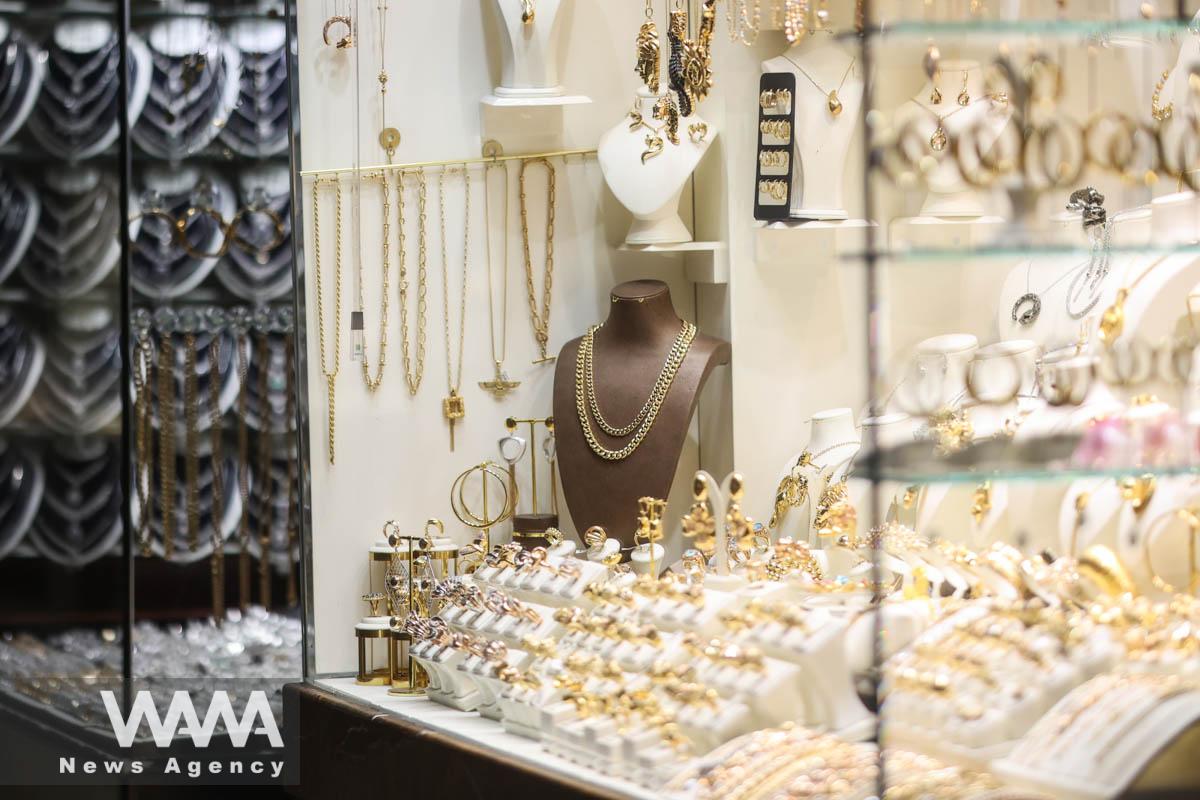
Gold is displayed in the window of a jewelry store in Tehran, Iran, March 26, 2025. Majid Asgaripour/WANA (West Asia News Agency)