
Domestic and External Factors Driving Iran’s Dollar Surge

WANA (Jan 31) – Iran is witnessing an unprecedented rise in the dollar price, driven by both domestic and external factors, with experts suggesting that stabilization policies could help control the situation.
The unofficial market dollar rate has reached 160,000 tomans per dollar, influenced by global developments and internal decisions. While external factors have always existed, experts note that domestic policy mistakes have had the greatest impact.
Seyed Bahāeddin Hosseini-Hashemi, a monetary and banking expert, said: “Part of what we see in the market and in public perception today stems from external pressures and narratives attempting to exaggerate the ‘shadow of war’ over Iran. However, Iran is a major player whose position affects roughly 30% of the world’s oil, making it a powerful country.”
Kiumars Amirian, a gold market specialist, explained the recent rise in gold prices: “The global gold price depends on world political conditions, including tariffs, taxation policies, and central bank purchases. The price of gold has reached around $5,300 per ounce and could even rise to $5,500, although a price correction is naturally expected.”
He added that domestic demand has significantly increased, and the Central Bank’s management is crucial: “Even a modest decrease of two thousand tomans in the exchange rate could noticeably reduce the price of coins and gold. Just as in other countries, the Central Bank plays a key role in market regulation, and outcomes depend on its policies and broader economic management.”
Experts also warn that multiple exchange rates can foster corruption and rent-seeking. But the critical question remains: Was a single exchange rate feasible under Iran’s current economic conditions?
Originally, authorities intended to remove the first exchange hall and abandon the 28,500-toman rate per dollar to achieve a market equilibrium. However, today the economy faces at least five different exchange rates per dollar:
- 28,500 tomans for medicine
- Around 112,000 tomans for essential goods
- Approximately 125,000 tomans for most imports and exports
- Service and travel currencies close to the free market rate
- Unofficial market rate near 160,000 tomans
Reports also suggest separate rates have been set for car and mobile imports.
This fragmented system raises serious questions: Was the single-rate policy meant to create such currency confusion? With point-to-point inflation at 60% and food inflation over 90%, has a single exchange rate been achieved?
Recent multi-thousand-toman increases in the exchange rate have drawn reactions from Iran’s monetary authorities, who describe them as “natural.” However, analysts argue that such statements have heightened public concern rather than calming expectations.
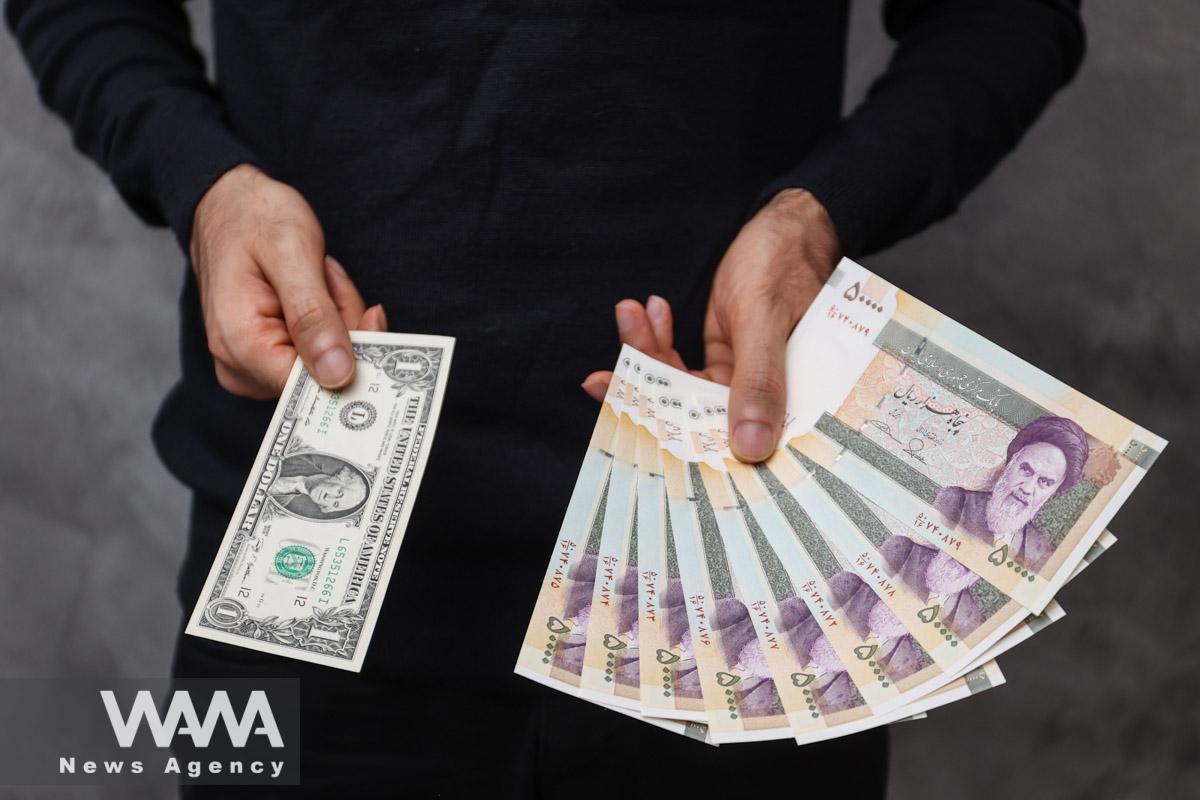
A currency dealer poses for a photo with a U.S one dollar bill and the amount being given when converting it into Iranian rials in an exchange shop in Tehran, Iran December 25, 2022. Majid Asgaripour/WANA (West Asia News Agency)